Biltmore
Phoenix's original luxury address, where Frank Lloyd Wright's vision lives on
Biltmore Market Intelligence
Data as of Q1 2026
Phoenix's Original Luxury Address
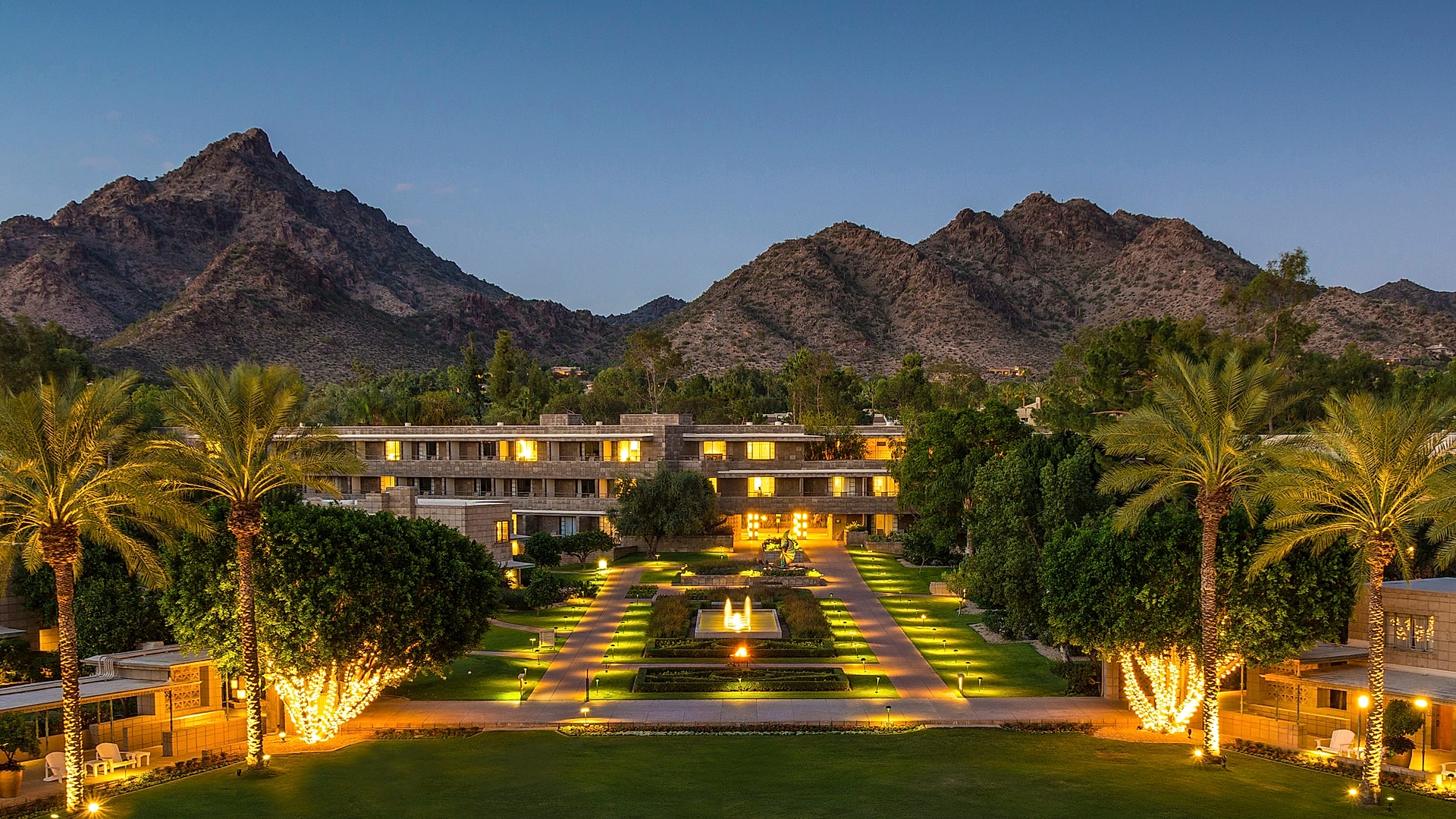
Every city has a neighborhood that established the standard for luxury living. In Phoenix, that place is the Biltmore. Nearly a century before Paradise Valley's guard-gated estates or Scottsdale's desert modern compounds, the land surrounding the Arizona Biltmore Resort became the Valley's first address where prestige, beauty, and community converged. That distinction still holds today.
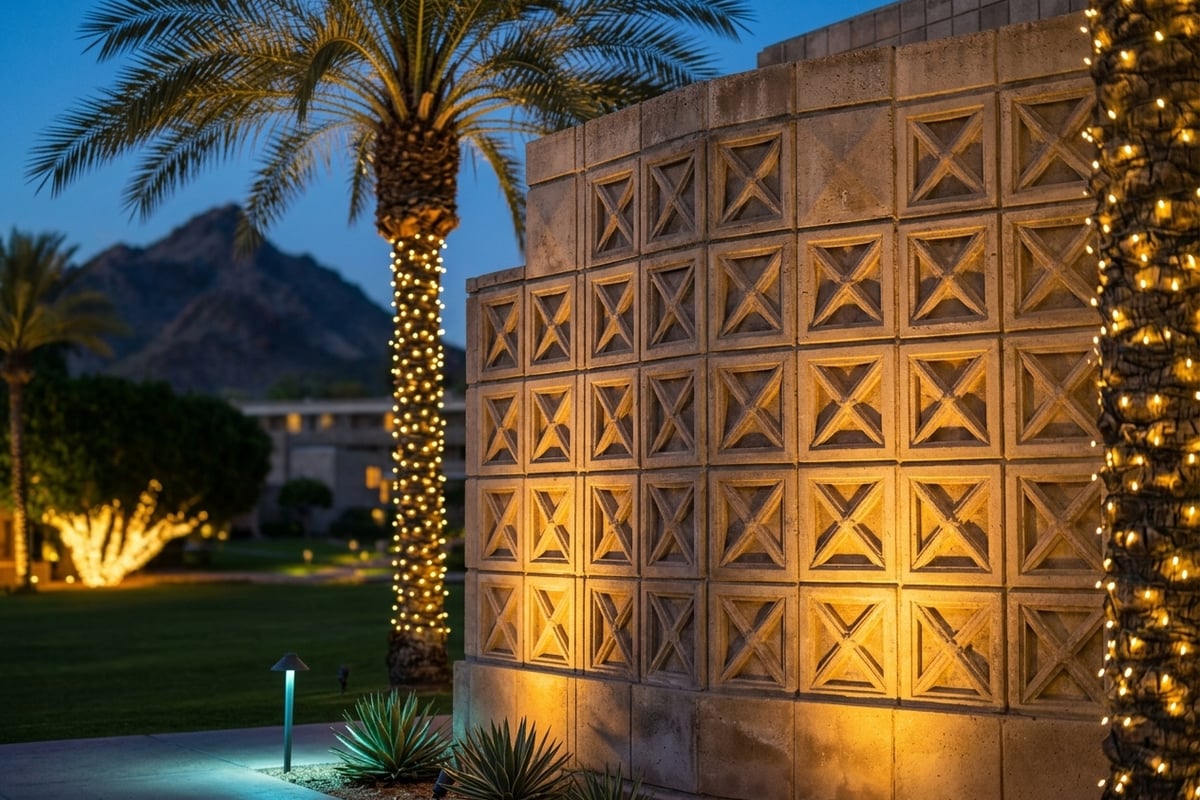
The story begins in 1929, when architect Albert Chase McArthur enlisted Frank Lloyd Wright as a consulting architect for the Arizona Biltmore Resort. Wright's contribution was significant enough to earn him a $10,000 fee, a substantial sum during the Depression, and his influence is visible in every detail. The resort's iconic "Biltmore blocks" were cast from desert sand in 34 geometric patterns inspired by the trunks of palm trees. That textile-block technique became the architectural DNA of the entire neighborhood. Walk through Arizona Biltmore Estates today, and you'll see that legacy in the homes, the walls, the very texture of the community.
The resort itself has only grown more remarkable with age. A $70 million renovation in 2020–21, the most ambitious in its history, reimagined the property under the LXR Hotels & Resorts flag (Hilton's luxury collection). McArthur's Restaurant pays homage to the original architect. The Wright Bar, where the Tequila Sunrise cocktail was invented in the late 1930s, remains one of the most elegant places to spend an evening in the Valley. Le Petit Chef offers 3D projected dining unlike anything else in Arizona. And the Spire Bar, perched above the resort, delivers the kind of sunset views that remind you exactly why you live here.
One detail that surprises most visitors: the Arizona Biltmore's ballroom features the largest gold leaf ceiling outside the Taj Mahal. That kind of extraordinary detail captures what Biltmore does so well. Quiet grandeur, genuine warmth, and a sense that the best things here were built to last.
A Neighborhood of Distinct Characters
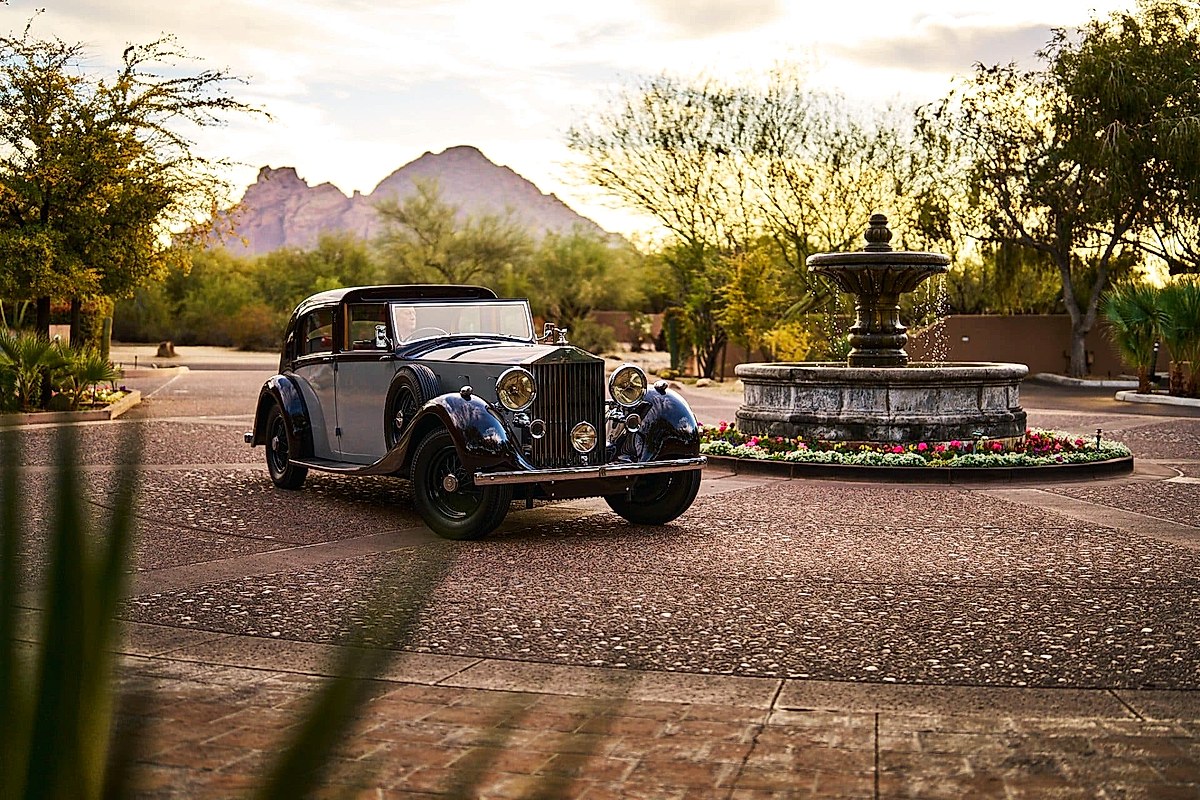
What sets the Biltmore area apart from Phoenix's newer luxury communities is the sheer variety of how you can live here. Arizona Biltmore Estates, the neighborhood's crown jewel, is guard-gated with generous half-acre to one-acre lots surrounding the resort's championship golf courses. These are the homes that carry the Biltmore name in the truest sense: resort access, mature landscaping, and a quiet confidence that newer communities spend millions trying to recreate.
Biltmore Mountain Estates offers gated privacy with elevated homesites and panoramic city and mountain views. Colony Biltmore and Taliverde take a more contemporary approach: elegant patio homes and estates popular with buyers who want who want the Biltmore lifestyle with manageable lot sizes and strong community amenities.
Then there's the Biltmore Corridor along 24th Street and Camelback, the most urban-feeling luxury address in the Valley. Luxury high-rise condos offer dramatic city views. The Biltmore Financial Center's distinctive pyramid-topped towers (a product of 1980s ambition) anchor the commercial district. And all of it sits within walking distance of Biltmore Fashion Park, the resort, and some of the best restaurants in Phoenix.
Walkable Luxury: The Rarest Thing in Phoenix
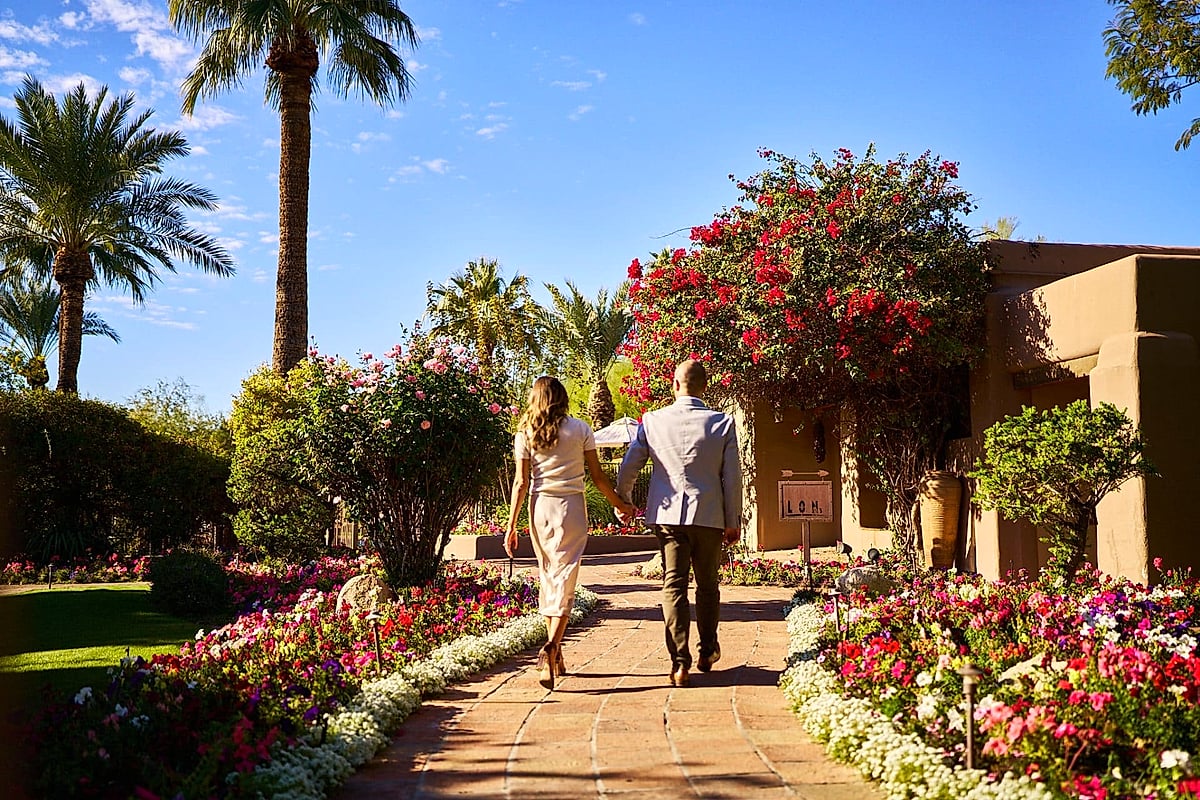
Biltmore Fashion Park has been Phoenix's premier open-air shopping destination since 1963, and it functions less like a mall than a neighborhood commons. Fifty-five-plus stores line garden pathways and manicured lawns. Saks Fifth Avenue closed in February 2026 as part of a national downsizing, but the energy hasn't slowed. Lululemon is doubling its footprint, Herman Miller is opening a design showroom, and Alo Yoga has secured a significant new space. Seasonal farmers markets fill the lawns. Holiday concerts draw residents from across the Valley.
That walkability is what turns Biltmore from a beautiful place to live into a true community. Residents stroll to dinner, grab morning coffee at Royal Coffee Bar on foot, walk to yoga, browse the farmers market on a Saturday morning. In a city built around the automobile, the ability to leave the car in the garage and still live a full life is genuinely rare.
History That Lives Here
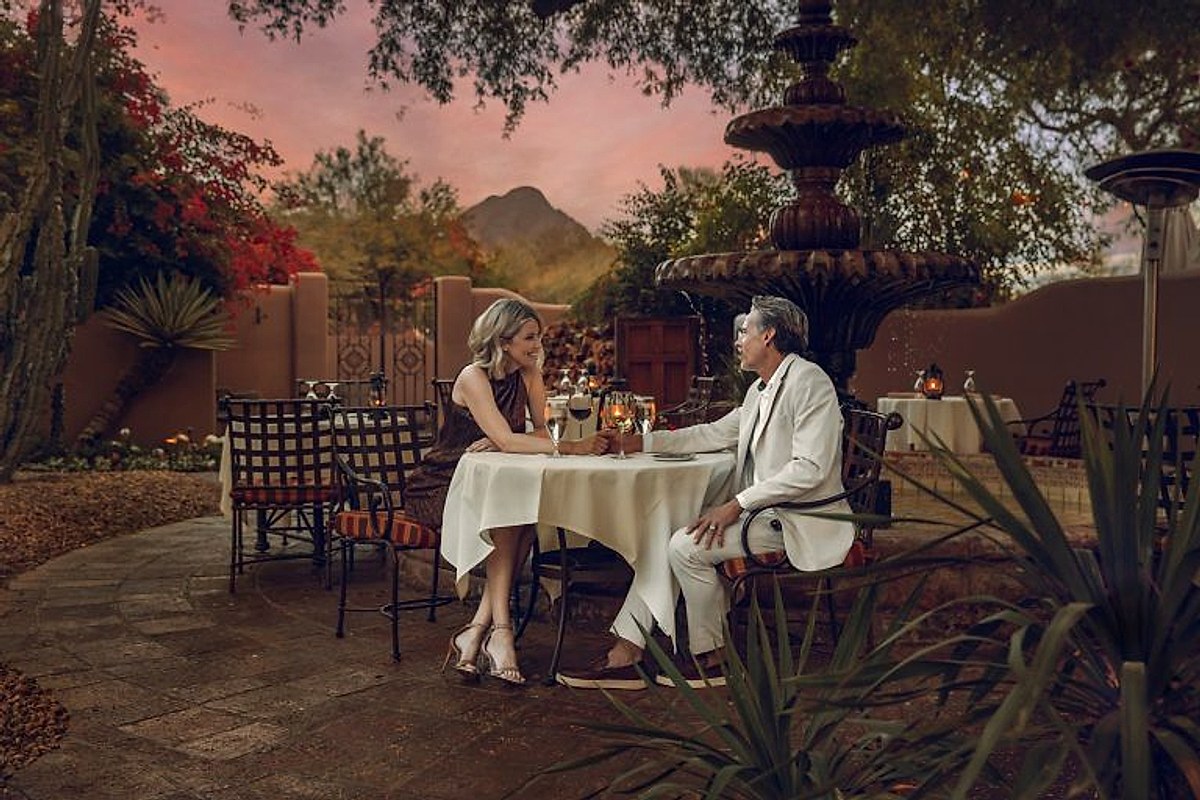
Biltmore's cultural landmarks aren't museums you visit. They're places residents weave into their lives. Wrigley Mansion, William Wrigley Jr.'s 1931 winter estate on La Colina Solana, is listed on the National Register of Historic Places and operates today as a private dining club. A $1,500 annual social membership grants access to wine tastings, holiday celebrations, and one of the most beautiful event settings in Arizona. Christopher's at Wrigley Mansion, the James Beard Award-winning restaurant inside, offers panoramic Valley views and a modern French tasting menu that stands among the finest dining experiences in the Southwest.
When I work with clients considering the Biltmore, I tell them this: other neighborhoods sell location or architecture or lifestyle. Biltmore sells all three, layered with a history and sense of place that cannot be manufactured. You feel it the moment you drive through the gates of Arizona Biltmore Estates, order a Tequila Sunrise at the Wright Bar where the cocktail was born, or watch the sunset paint Piestewa Peak from Wrigley Mansion's terrace. The Biltmore doesn't compete with newer luxury developments. It doesn't have to.
The current median home price in the Biltmore area is approximately $1.2 million, with pricing around $600 per square foot and an average of 75 days on market. A high-rise condo overlooking city lights, a patio home steps from the resort, a sprawling estate with golf course views. The Biltmore has a depth of options that no other Phoenix luxury neighborhood can match.
Architectural Character
Frank Lloyd Wright-Inspired
The DNA of the Biltmore neighborhood. Albert Chase McArthur designed the Arizona Biltmore Resort in 1929 with Frank Lloyd Wright consulting. The iconic 'Biltmore blocks' were cast from desert sand in 34 geometric patterns inspired by palm tree trunks. This textile-block aesthetic influenced generations of homes throughout the neighborhood.
Mid-Century Modern
The original residential architecture of Biltmore Estates, built in the 1950s–60s as Phoenix's first luxury suburb. Ranch-style homes with clean lines, open floor plans, and expansive windows framing golf course and mountain views. Many have been carefully updated while preserving their period character.
Contemporary Mediterranean
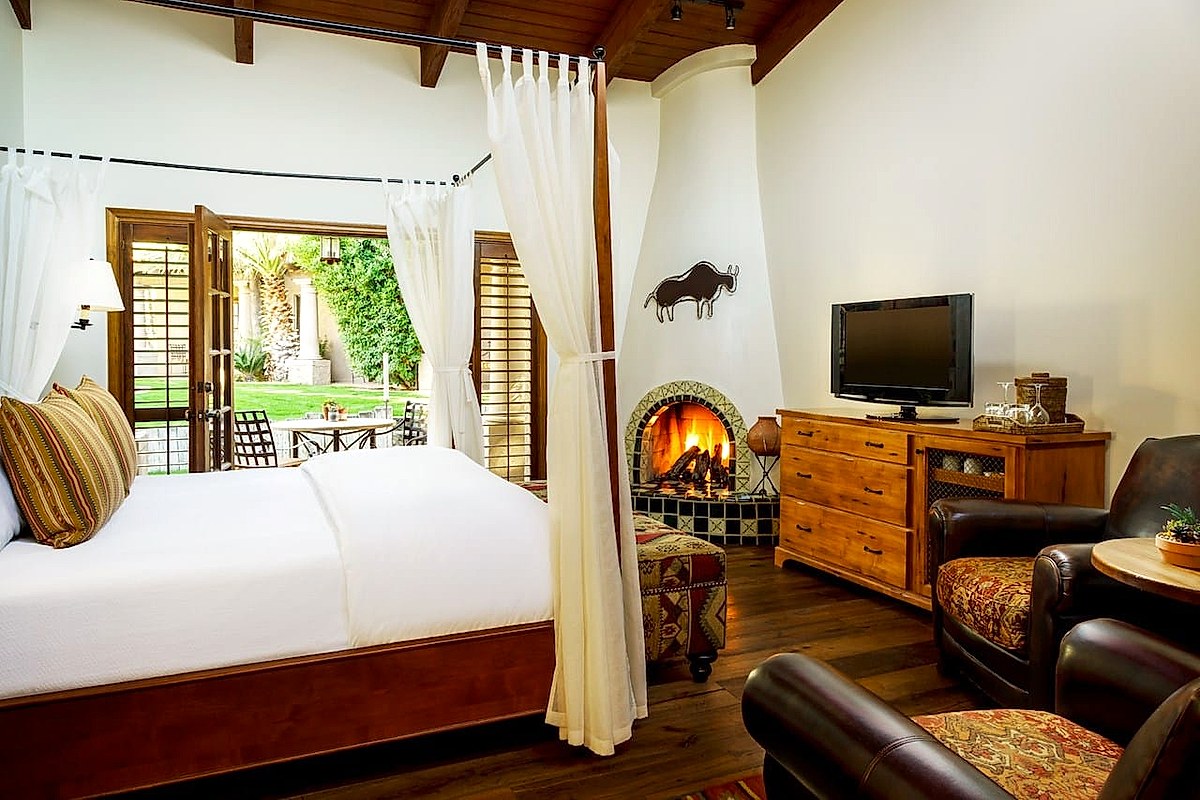
A wave of renovation and new construction in the 1990s–2000s brought Santa Barbara and Tuscan influences: stucco exteriors, tile roofs, arched entryways, and courtyard living. These homes add warmth and variety to the neighborhood's architectural mix.
Local Favorites
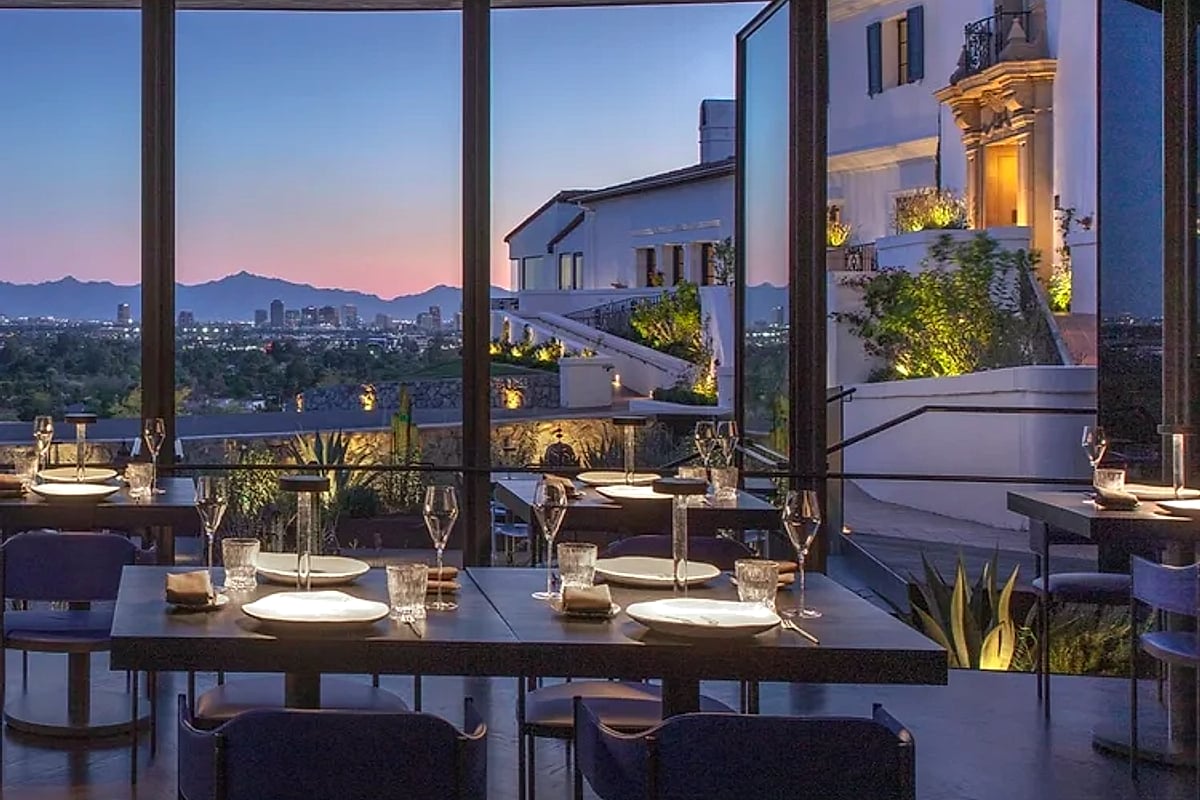
- Christopher's at Wrigley Mansion — James Beard Award-winning Chef Christopher Gross serves a modern French tasting menu in the historic Wrigley Mansion overlooking the Valley. A 2022 James Beard Outstanding Chef nominee and Wine Spectator Grand Award recipient.
- Renata's Hearth at Arizona Biltmore — Modern Latin cuisine with tableside mezcal presentations and mesquite-roasted meats. The dramatic 'ancient meets modern' ambiance makes this the resort's signature dining experience.
- The Wright Bar — The birthplace of the Tequila Sunrise cocktail in the late 1930s. Elegant happy hour in a Frank Lloyd Wright-influenced setting where Biltmore history comes to life over craft cocktails.
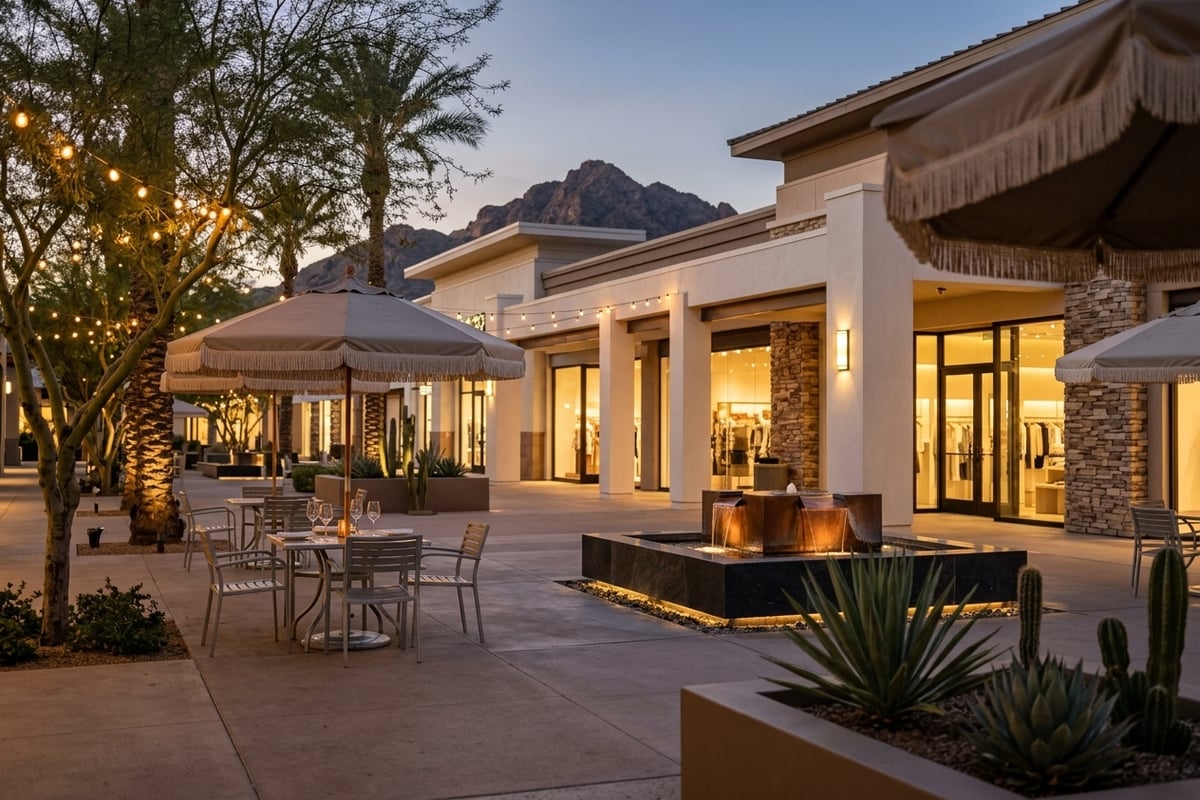
- Biltmore Fashion Park — Phoenix's premier open-air shopping destination since 1963, with 55+ stores including Ralph Lauren, Apple, and Lululemon (doubling its footprint in 2025). Seasonal farmers markets and concerts on the central lawn make this a community gathering place, not just a mall.
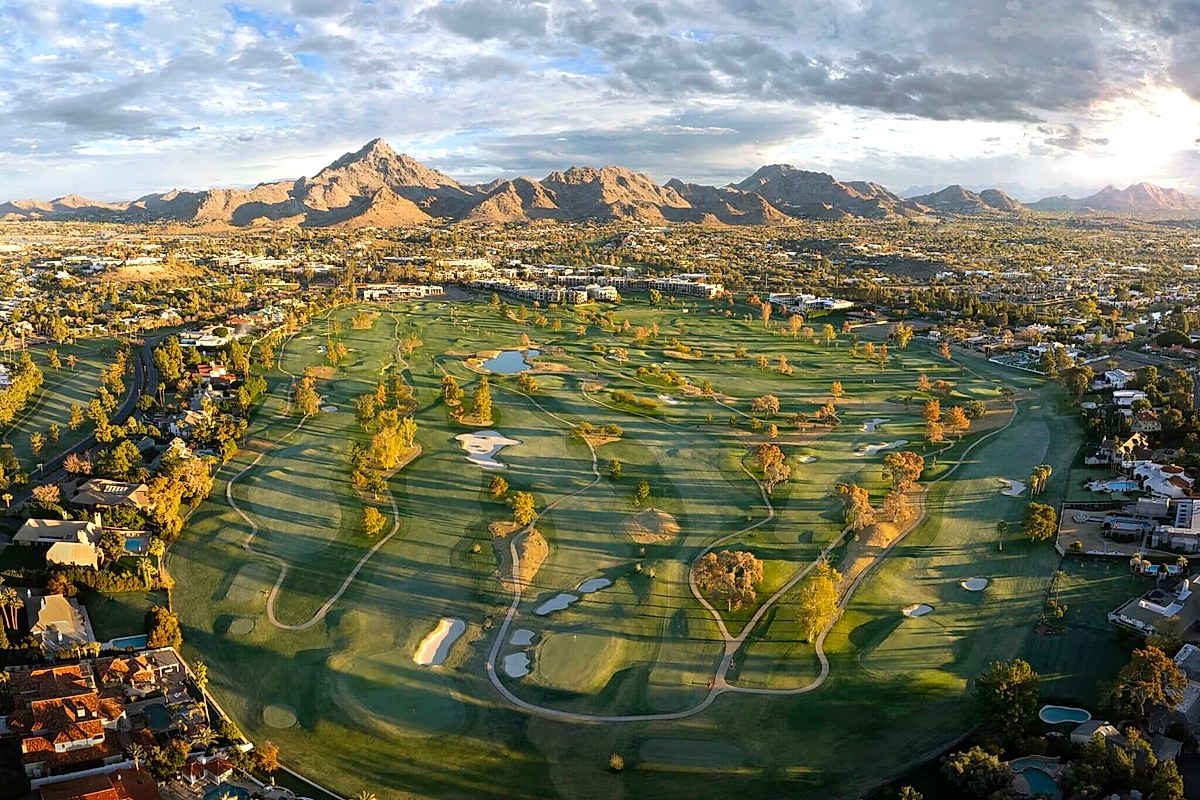
- Arizona Biltmore Golf Club — 36 holes of championship golf anchored by the historic Adobe Course, opened in 1928. The Estates Course was redesigned by Tom Lehman and Coore-Crenshaw with mountain and city-view backdrops.
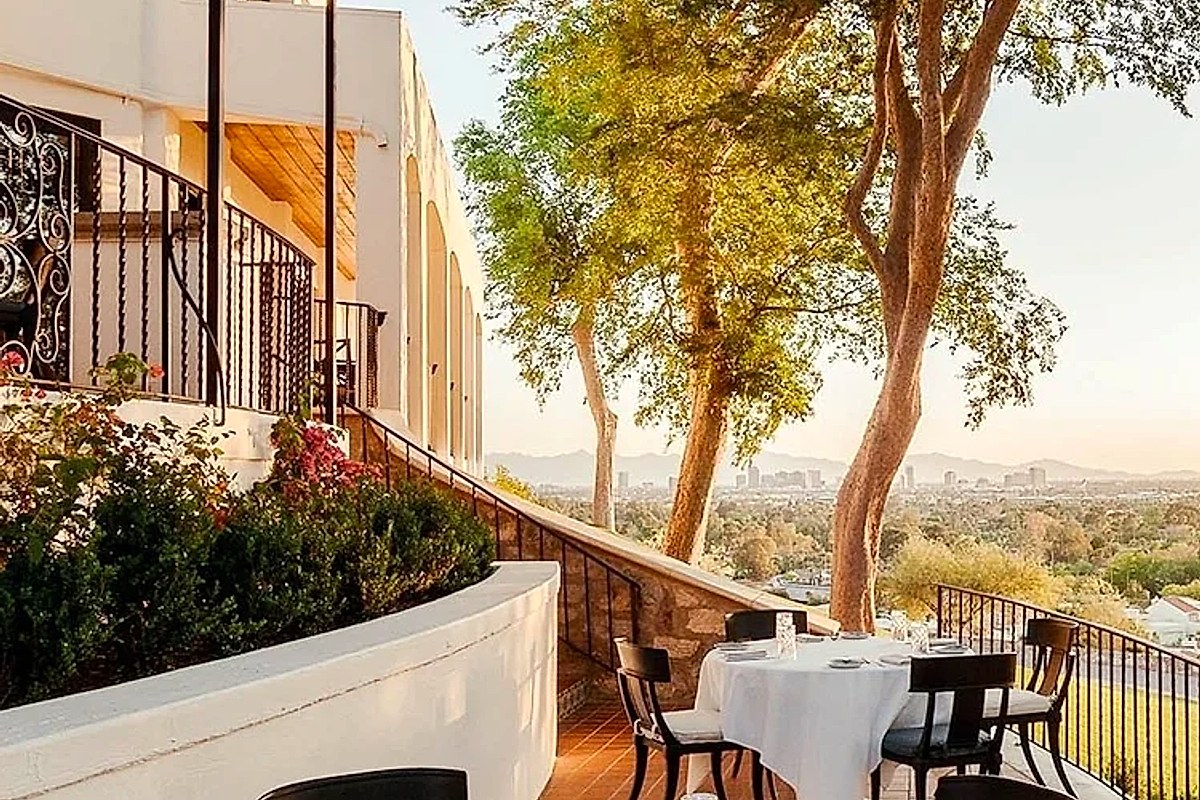
- Wrigley Mansion — William Wrigley Jr.'s 1931 winter estate on La Colina Solana. A National Register landmark now operating as a private dining club and event venue. Social memberships ($1,500/year) include wine tastings, holiday parties, and access to one of Phoenix's most beautiful settings.
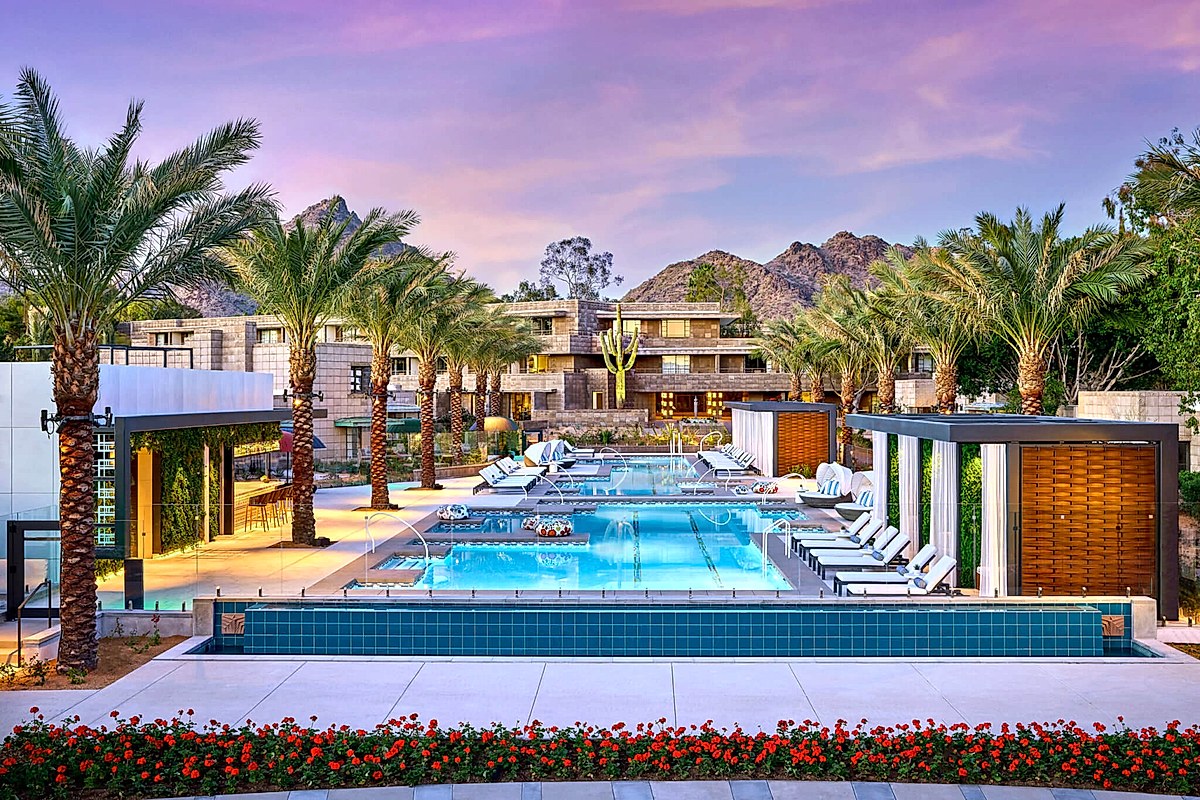
- Tierra Luna Spa at Arizona Biltmore — Five-star spa experiences within the resort. Residents enjoy preferential access to treatments, fitness facilities, and wellness programming. Living in Biltmore means having resort amenities as part of daily life.
Featured Biltmore Properties
Luxury listings move quickly in Biltmore.
Contact Nadine for current Biltmore listings and off-market opportunities.
Request Current Listings