Arizona's Most Exclusive Address
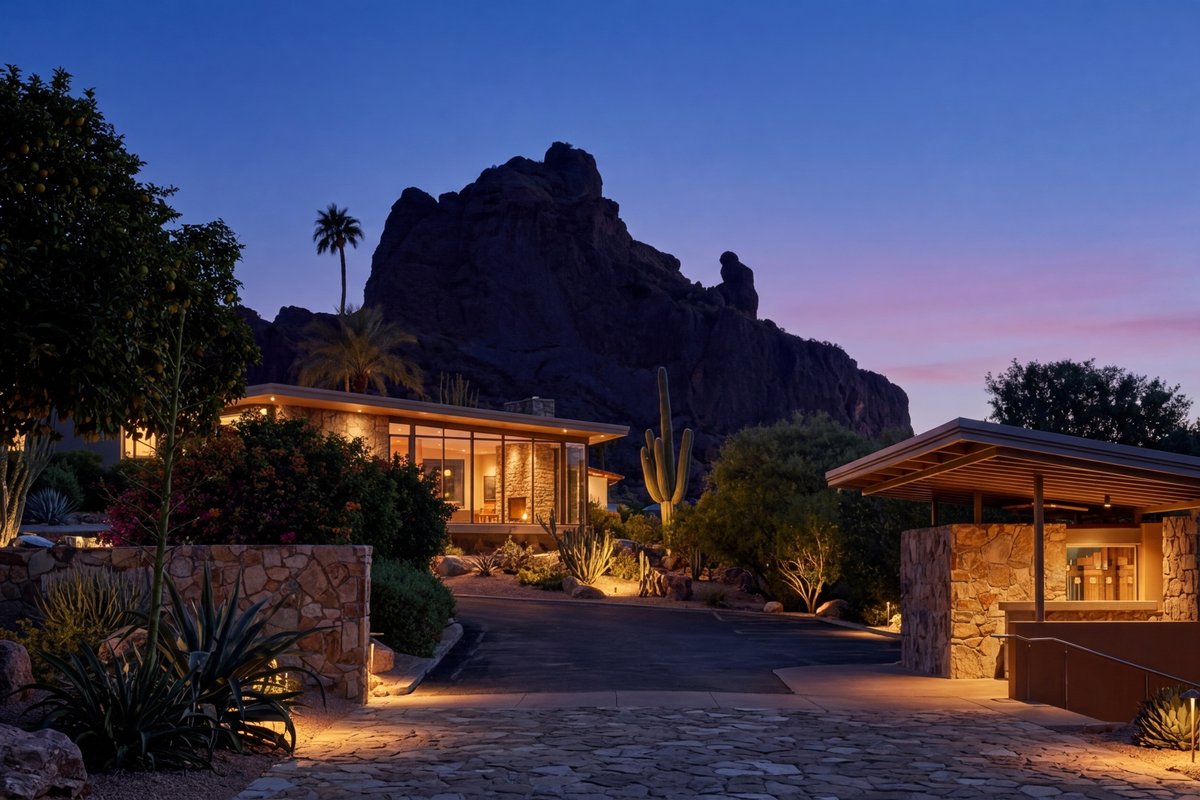
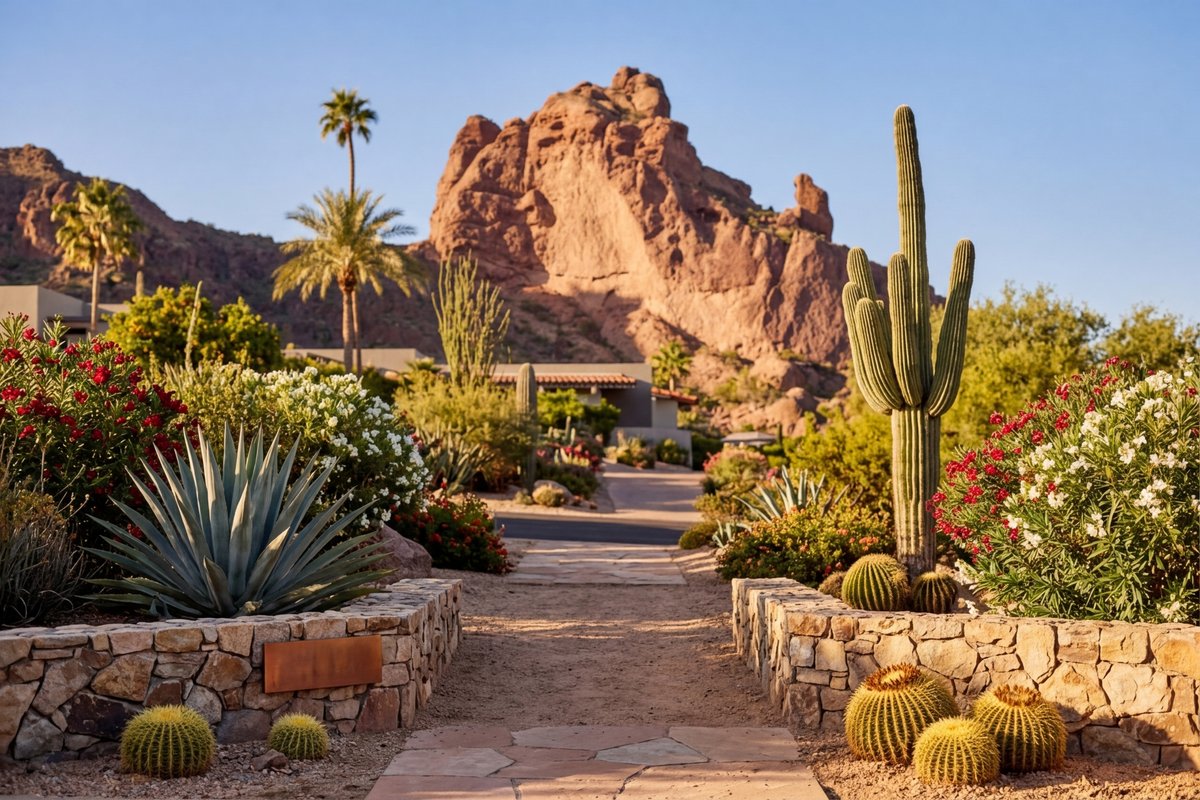
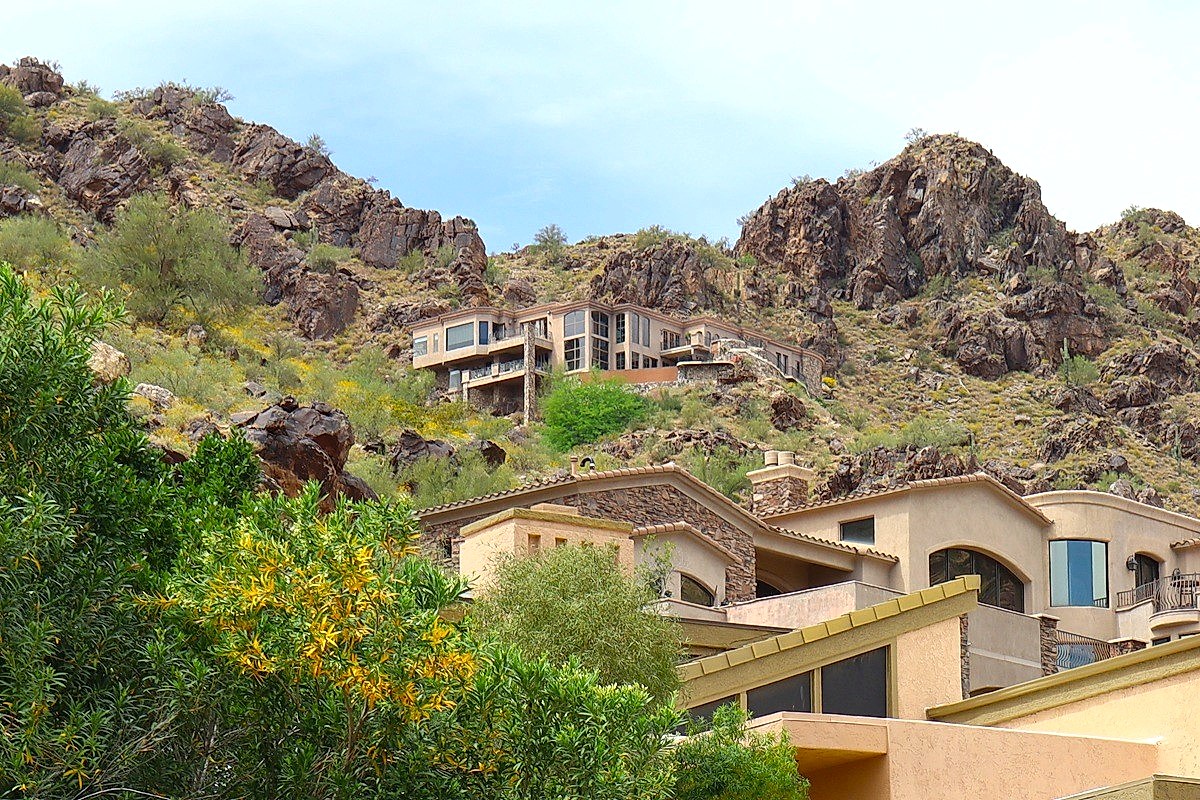
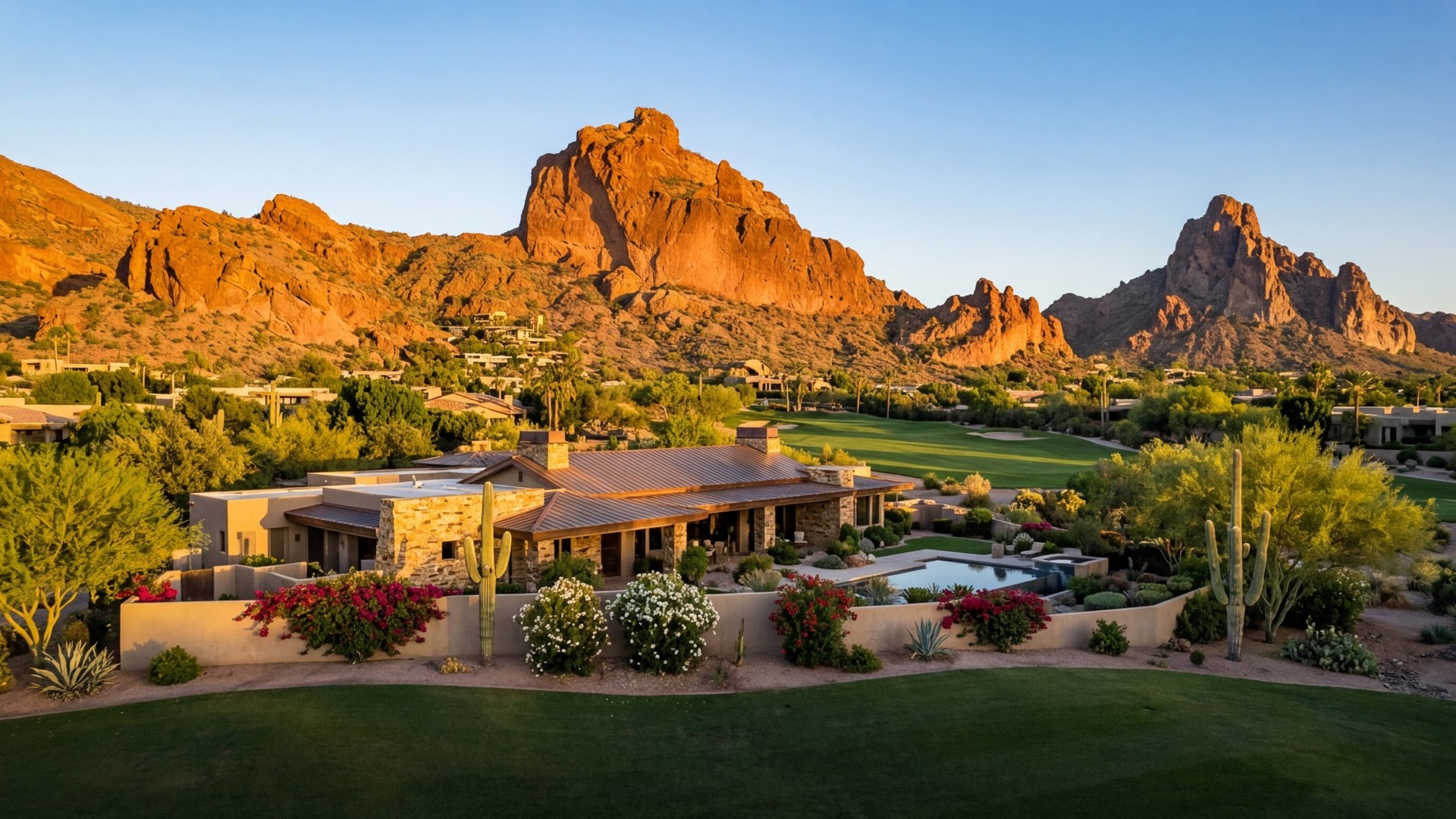
Paradise Valley is the most private, most exclusive residential community in Arizona, and it was designed to be exactly that from the very beginning. Often called the "Beverly Hills of Arizona," the comparison actually undersells it. Where Beverly Hills buzzes with commercial energy, Paradise Valley is deliberately, almost defiantly quiet. There are no shopping centers within town limits. No office parks. No billboards. Just sweeping estates tucked behind mature desert landscaping, framed by two of the most recognizable mountains in the Southwest.
I fell in love with this community the first time I drove through it. The sense of space, the mountain silhouettes at every turn, the feeling that you've entered somewhere truly set apart. If you value privacy and an unhurried pace of life surrounded by natural beauty, there is simply nothing else like Paradise Valley in Arizona.
A Town Built on a Single Principle
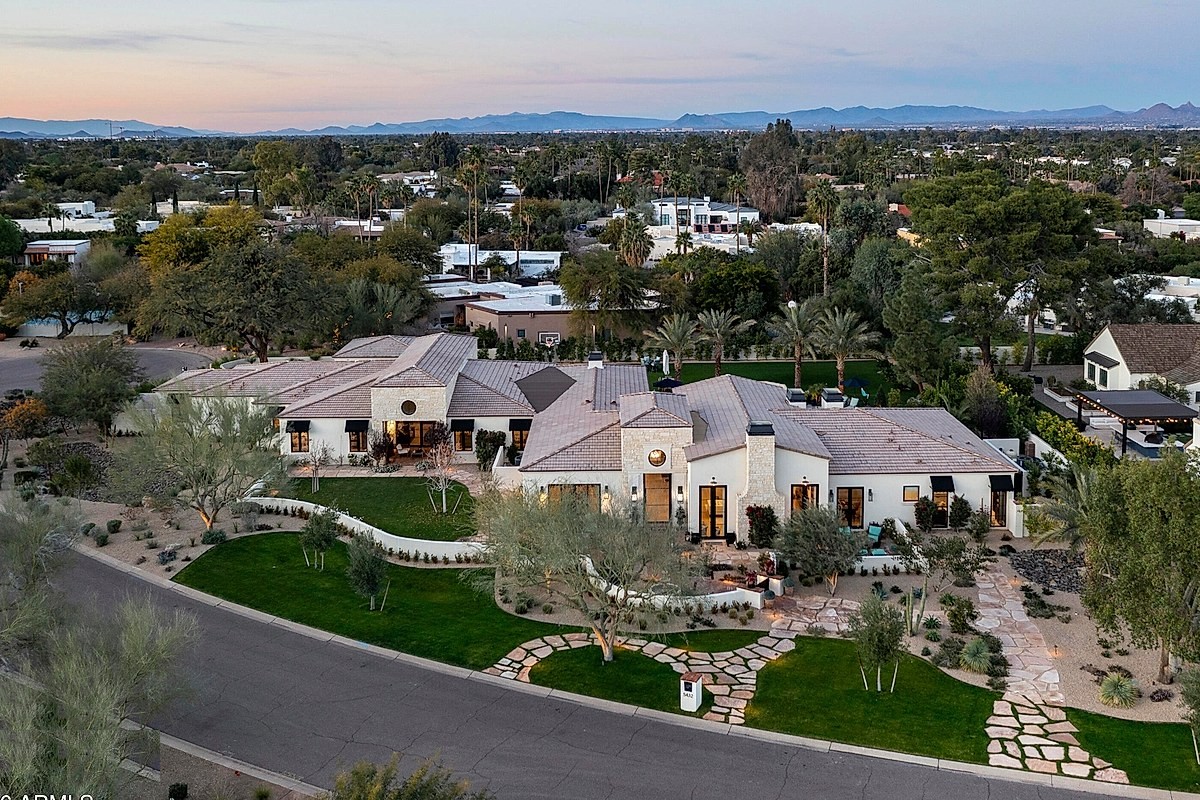
Paradise Valley incorporated as an independent town in 1961 for one reason: to prevent annexation by Phoenix and Scottsdale and preserve its residential character permanently. The founders established a one-acre minimum lot size as the fundamental zoning principle. That requirement remains in effect today and has shaped everything about the community. Many estates sit on two, five, even ten or more acres. This is a town where your nearest neighbor might be a quarter-mile away.
That same year, Paradise Valley adopted Arizona's first Underground Utilities Ordinance, eliminating power lines from the landscape. In 1964, "wedding cake" height restrictions tied building height to distance from property lines, ensuring that no structure dominates the skyline. These early decisions weren't bureaucratic details. They were a statement of intent. The founders understood that exclusivity isn't something you advertise. It's something you engineer into the land itself.
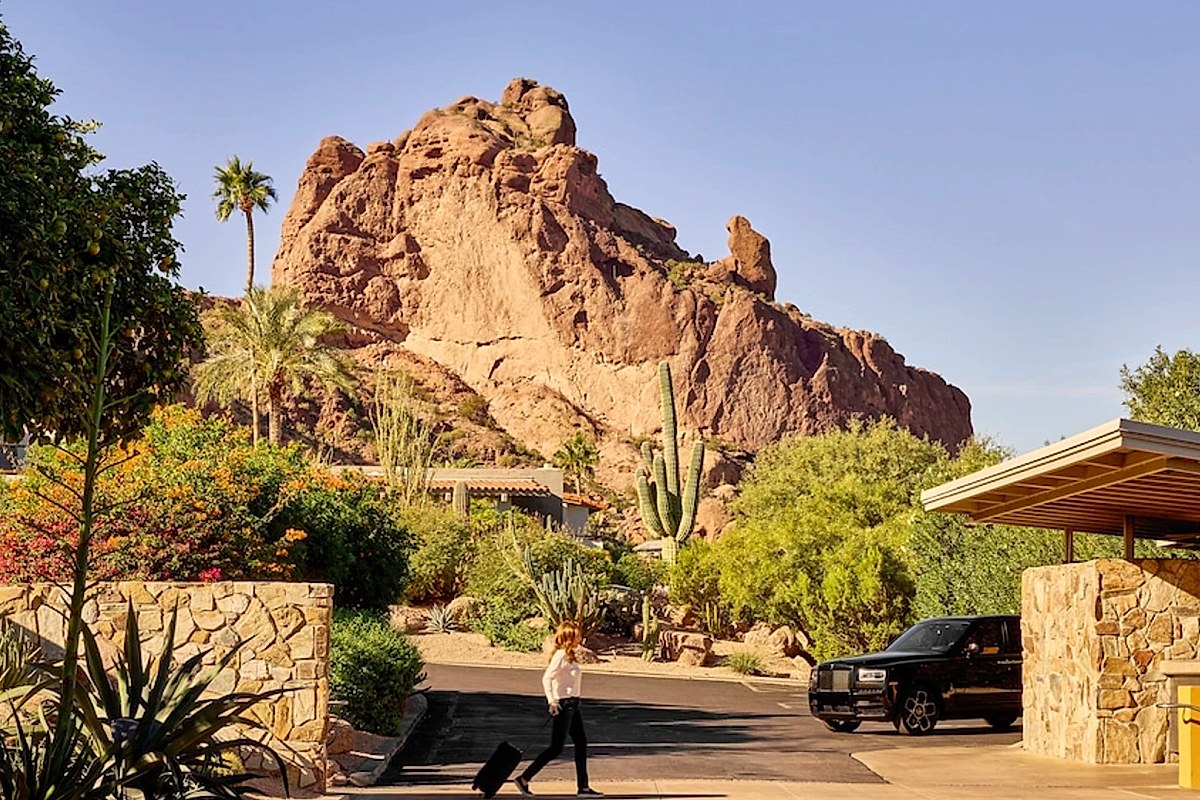
Strict zoning prohibits commercial development within town limits. There are no storefronts, no gas stations, no fast-food restaurants. The handful of resorts that operate here (Sanctuary Camelback Mountain, the Hermosa Inn, Mountain Shadows) exist as exceptions to the rule, each carefully integrated into the desert landscape. Everything else is residential, and that's by design.
Between Two Mountains
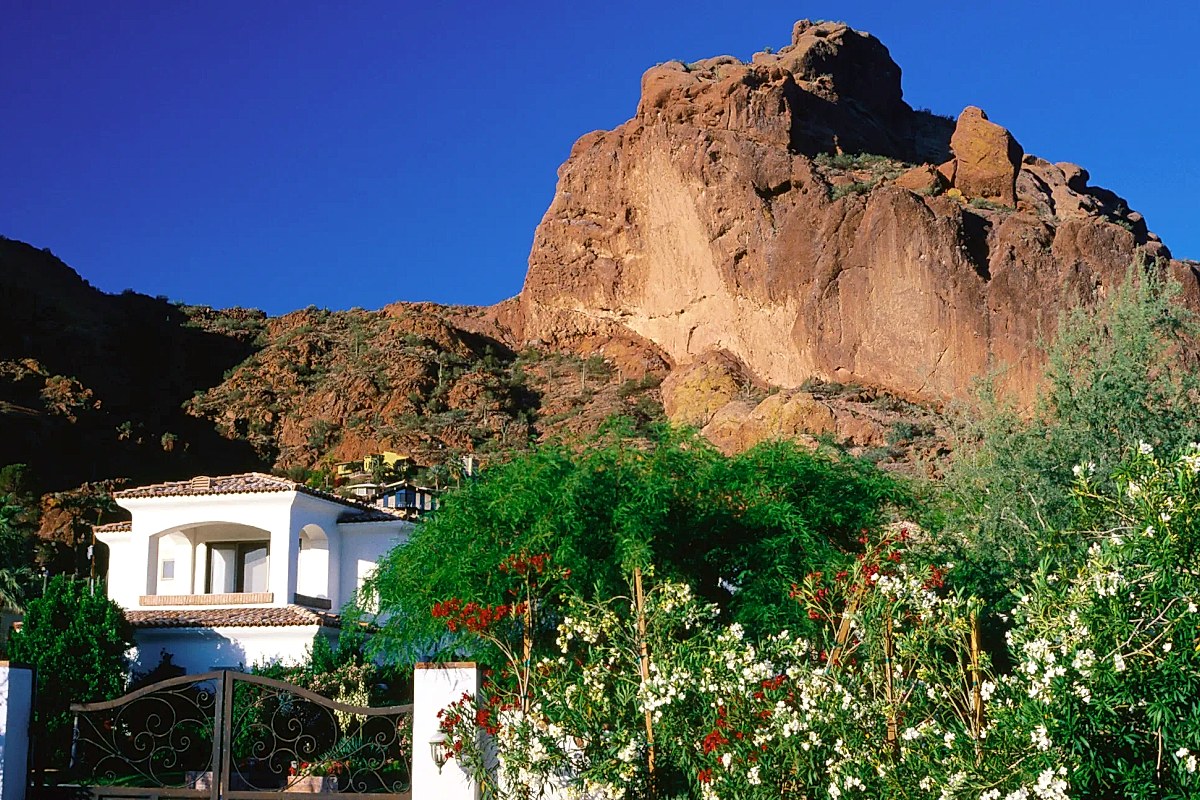
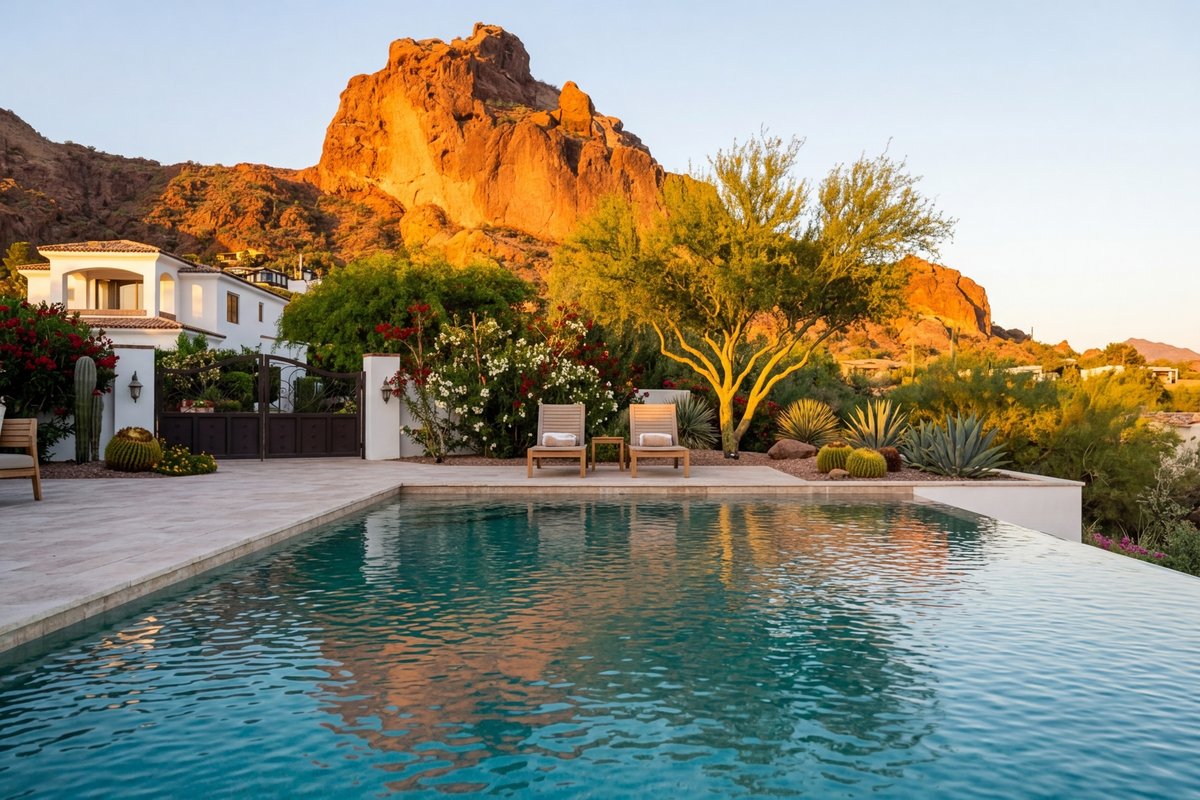
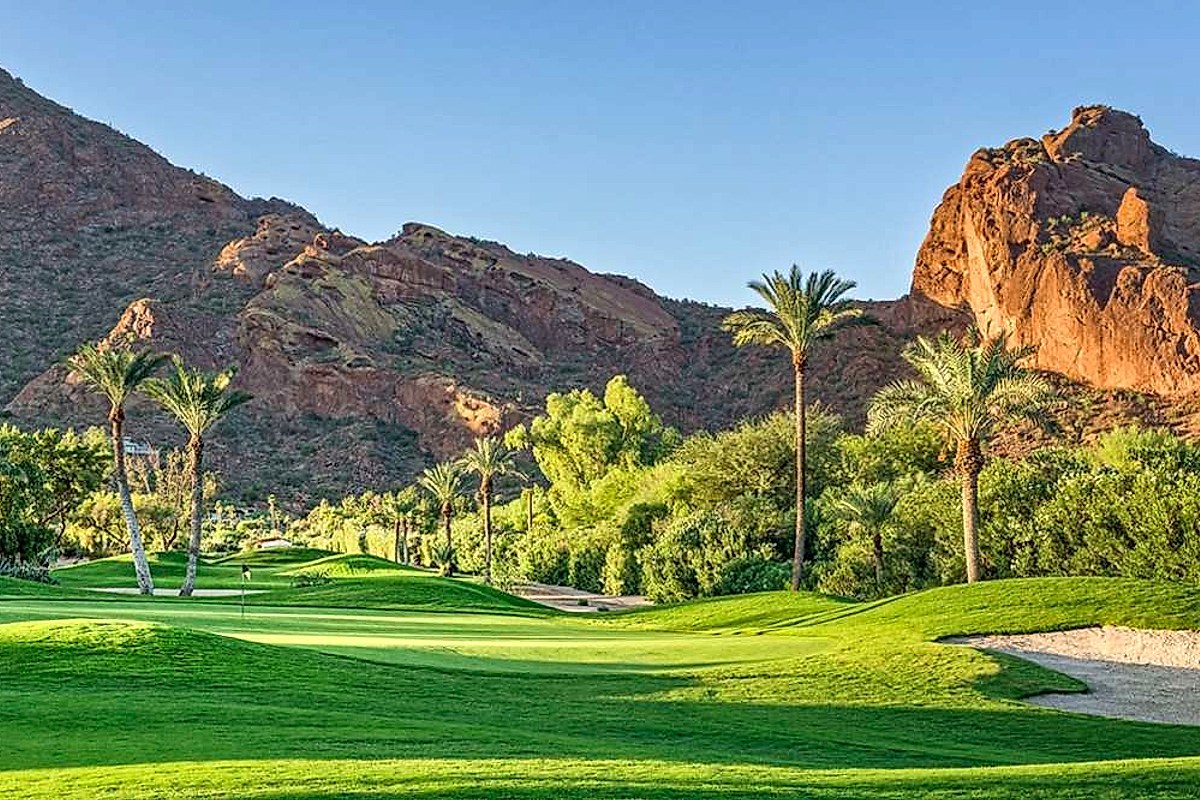
Paradise Valley sits in a corridor between Camelback Mountain to the south, rising 2,704 feet with its distinctive camel-shaped ridgeline, and Mummy Mountain to the north at 2,021 feet. These aren't distant backdrops. They are immediate, defining presences. From most properties in town, you can see one or both mountains, and the way the light shifts across their faces from sunrise to sunset is genuinely mesmerizing.
Mummy Mountain sits at the center of the community, surrounded by 320-plus acres of preserved desert trust land that will never be developed. The Camelback Mountain corridor along the southern boundary commands the highest prices in town. Estates here routinely exceed $2,000 per square foot because the views are simply irreplaceable. When I take clients on a sunset drive along this corridor, the conversation about whether Paradise Valley is the right fit usually answers itself.
The Community
Approximately 12,489 people call Paradise Valley home. It's one of the smallest incorporated towns in the metro and one of the wealthiest in the nation. The median household income exceeds $236,000, the highest in Arizona among towns between 10,000 and 50,000 residents. Residents include executives, entrepreneurs, physicians, and privacy-minded buyers who choose space over the see-and-be-seen culture of neighboring Scottsdale.
Among the more notable residents: rock legend Alice Cooper has called Paradise Valley home for over 30 years, Olympic swimmer Michael Phelps relocated here, and Campbell Soup heir Bennett Dorrance maintains one of the largest residential compounds in town. But what defines Paradise Valley isn't celebrity. It's discretion. Residents value the fact that their neighbors respect boundaries and that the community feels genuinely removed from the noise.
Over 70 percent of inbound luxury demand comes from out of state, primarily California, New York, Washington, and Illinois. Many of these buyers purchase in cash, drawn by Arizona's favorable tax environment, the year-round climate, and the kind of space that simply doesn't exist in coastal markets at any price.
Neighborhoods Within the Town
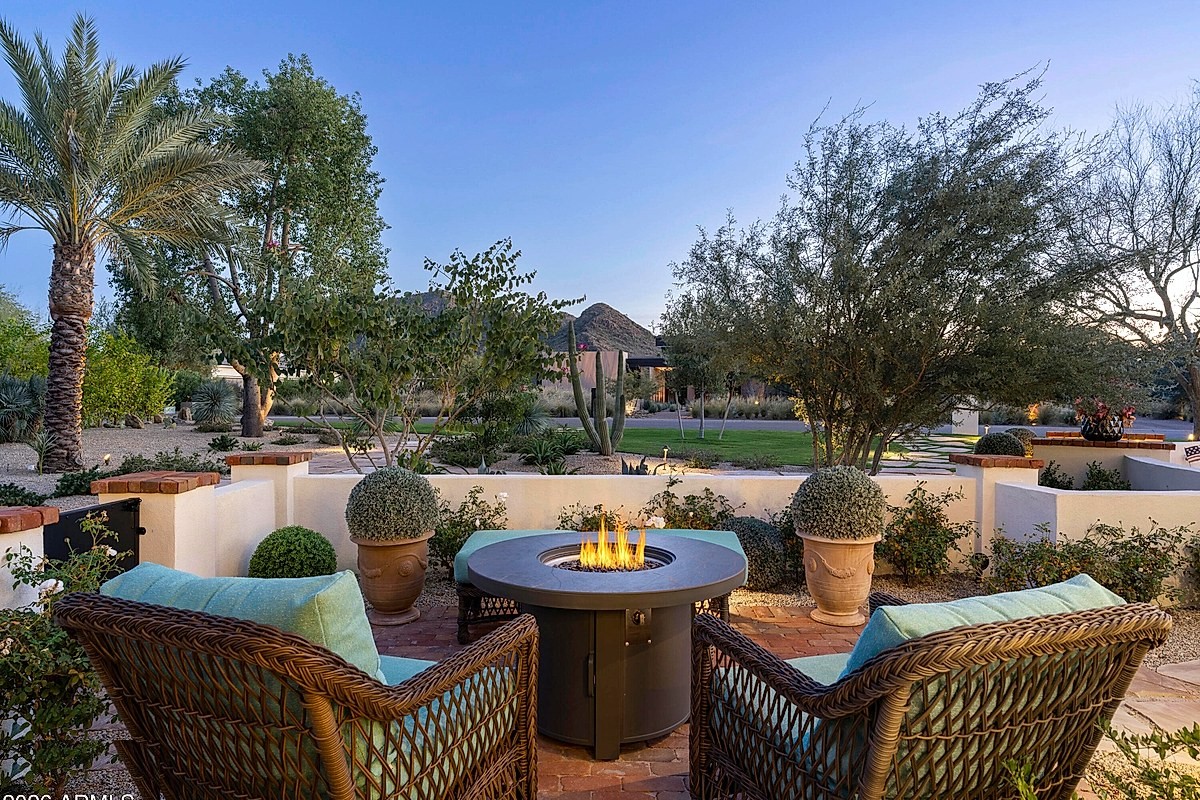
Even within a community this small, there are distinct micro-markets, and understanding the differences is critical to finding the right property. The Camelback Mountain Corridor is the most prestigious address in town, commanding over $2,000 per square foot for homes with unobstructed mountain views. These are trophy properties in every sense. Large-scale contemporary homes with resort-caliber amenities and the kind of view that makes you pause every morning.
Mummy Mountain offers a different character: hillside privacy, mature desert landscaping, and panoramic views that stretch in every direction. The preserved desert trust land surrounding the mountain ensures the landscape will never change. Old Town Scottsdale is ten minutes away, so you get seclusion without giving up proximity to everything.
Clearwater Hills and Crown Canyon represent the ultra-luxury tier. Crown Canyon is home to just 12 estate parcels within a mountain preserve, the kind of address where discretion is the defining amenity. Camelback Country Estates, anchored by the historic Paradise Valley Country Club, offers generous lots, mature landscaping, and a blend of legacy estates alongside carefully updated properties. Established prestige with a strong sense of community.
The Market Today
Paradise Valley's luxury market continues to set records. The highest recorded sale reached $32.4 million in August 2025, and industry consensus is that the $40 million threshold will be broken in the near future. The median home price sits at approximately $3.7 million, with year-over-year appreciation of 12.1 percent. The ultra-luxury segment above $7.5 million saw 105 percent transaction growth in early 2025 compared to the prior year.
The investment thesis is straightforward: supply is structurally constrained. One-acre minimums, no new subdivisions possible, finite land between two mountains, and accelerating demand from out-of-state wealth migration. Over the past decade, Paradise Valley has delivered approximately 68 percent cumulative appreciation. These dynamics are not cyclical. They are built into the DNA of the town.
What's Coming
Several landmark developments are reshaping Paradise Valley's luxury landscape while preserving its residential character. The Ritz-Carlton Paradise Valley, known as The Palmeraie, is a $2 billion, 120-acre master-planned community that will include a Ritz-Carlton hotel, luxury villas, custom estate lots, and a retail village. The developer filed Chapter 11 to retain control of the project, and villa sales are actively proceeding. This is the most significant development in the town's history, and it will redefine the ultra-luxury benchmark for the entire region.
Kimpton Miralina Resort is opening in early 2026 as the first branded IHG luxury property in this market, another signal of the national attention Paradise Valley is attracting. Life Time Paradise Valley, an athletic country club concept, opens in the first half of 2026, with an 11-story residential tower planned for 2027.
Education and Community Life
School assignments in Paradise Valley vary by address and should be verified directly with the relevant district before purchase. Depending on location, properties may be served by Scottsdale Unified, Paradise Valley Unified, or other nearby districts. Private options in the broader area include Phoenix Country Day School, Brophy College Preparatory, and Xavier College Preparatory. Arizona State University is a 15 to 20 minute drive.
Despite its exclusivity, Paradise Valley is a genuine community. Trailheads, resort dining, and club life at Paradise Valley Country Club remain social anchors, and the town's small scale means residents quickly recognize familiar faces. It's private, but it's not isolating. That balance is a big part of what draws buyers here.
Dining and Wellness
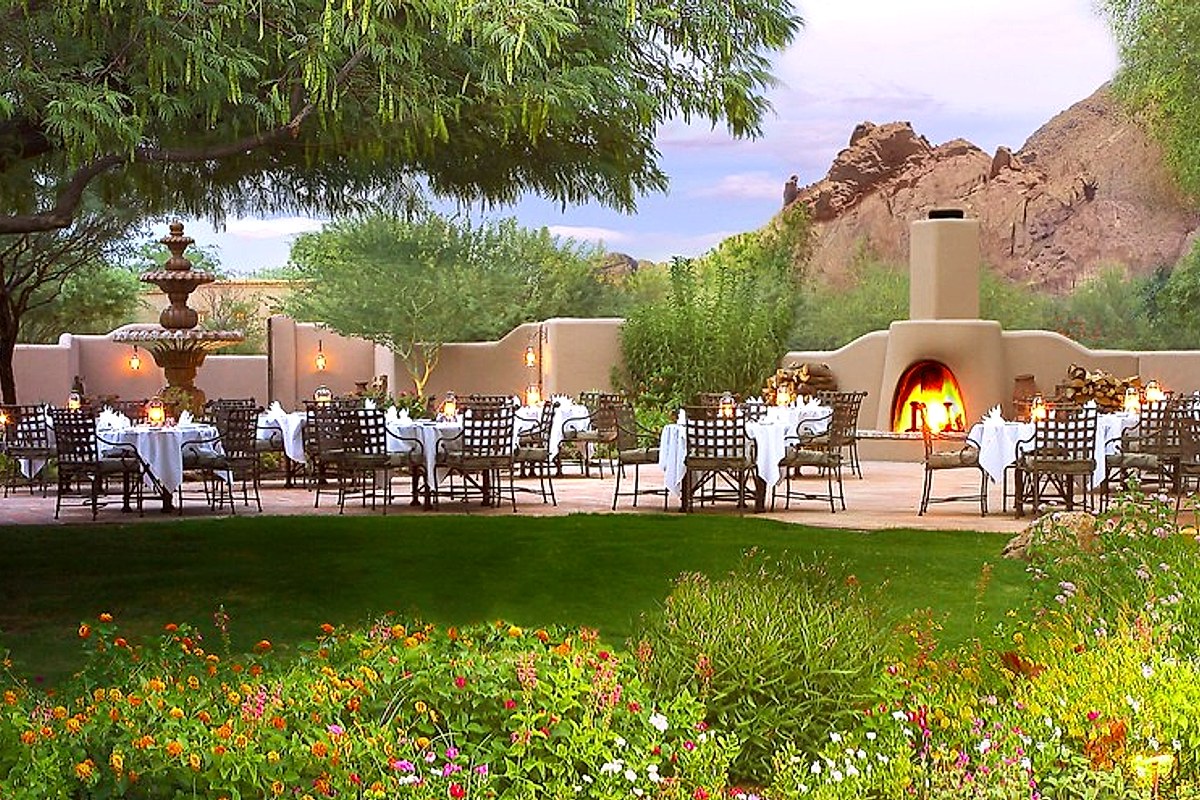
The dining scene in and around Paradise Valley punches well above what you'd expect from a community of this size. Elements at Sanctuary Camelback Mountain features Chef Beau MacMillan's farm-fresh American cuisine with panoramic valley views. It's a Food Network regular and one of Arizona's most celebrated restaurants. El Chorro, a landmark for generations at the base of Camelback and Mummy Mountains, is famous for its sticky buns, sunset cocktails, and an atmosphere that feels like a private dinner party. LON's at the Hermosa Inn serves globally-inspired Arizona fare in a historic hacienda setting with a nationally recognized wine program. And Fat Ox brings modern Italian with house-made pasta and an amaro-focused cocktail bar that draws a devoted local following.
Wellness is part of daily life here. Sanctuary Camelback Mountain's spa offers Asian-inspired treatments in indoor-outdoor rooms with a meditation garden and reflection pond. The upcoming Ritz-Carlton spa will add another world-class option. When your backyard looks out at Camelback Mountain and the morning air carries the scent of creosote after a desert rain, wellness isn't something you schedule. It's where you live.